


Newsroom
-
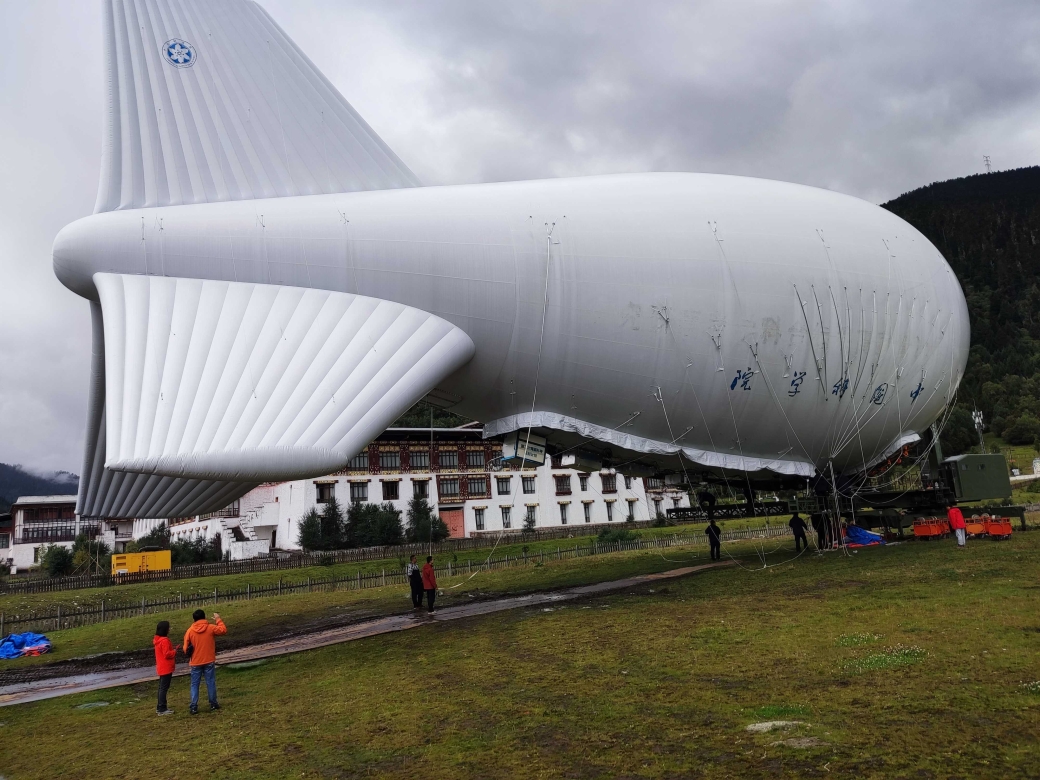 Tethered Balloon Takes Closer Look at Clouds over Qinghai-Xizang Plateau
Scientists have used a tethered balloon to measure cloud droplets, aerosols, and electric fields over the Qinghai-Xizang Plateau, revealing links between aerosol abundance and droplet properties and documenting weak electrical activity in clouds without lightning. The study was published in Advances in Atmospheric Sciences .
30 Sep 2026 -
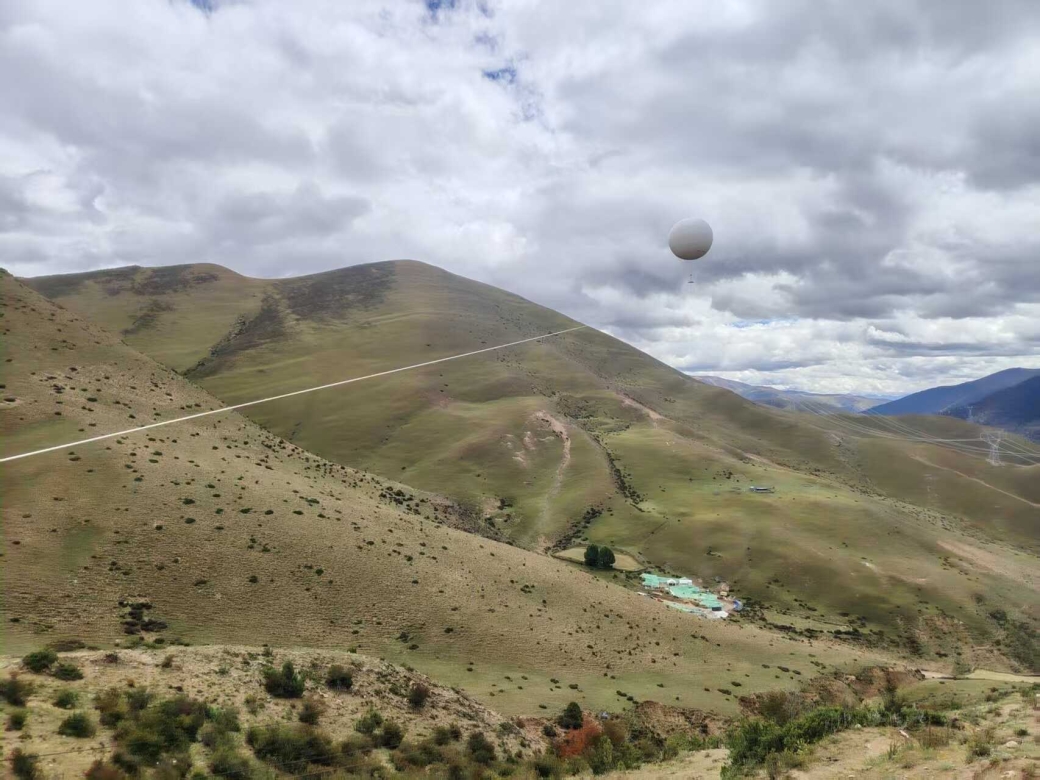 Heavy-Lift Tethered Balloon Carries Power Tower Materials to High-Altitude Ridge in Xizang
A tethered balloon capable of lifting two tonnes successfully completed a trial in Xizang on September 21, carrying two tonnes of transmission tower materials to a steep ridge at an altitude of 4,000 meters. The trial demonstrated a new way to transport heavy construction materials to remote mountain sites while reducing the need for access roads.
30 Sep 2026 -
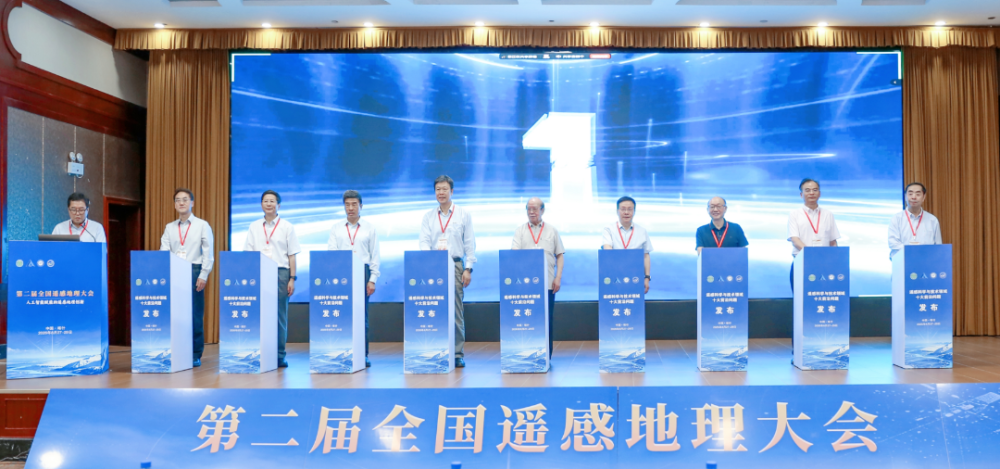 Top 10 Frontier Scientific Challenges in Remote Sensing Unveiled
Ten frontier scientific challenges expected to shape future research and technological development in remote sensing were unveiled on Aug. 28 at the opening ceremony of the Second National Conference on Remote Sensing Geography in Kashgar, northwest China's Xinjiang Uygur Autonomous Region.
03 Sep 2026 -
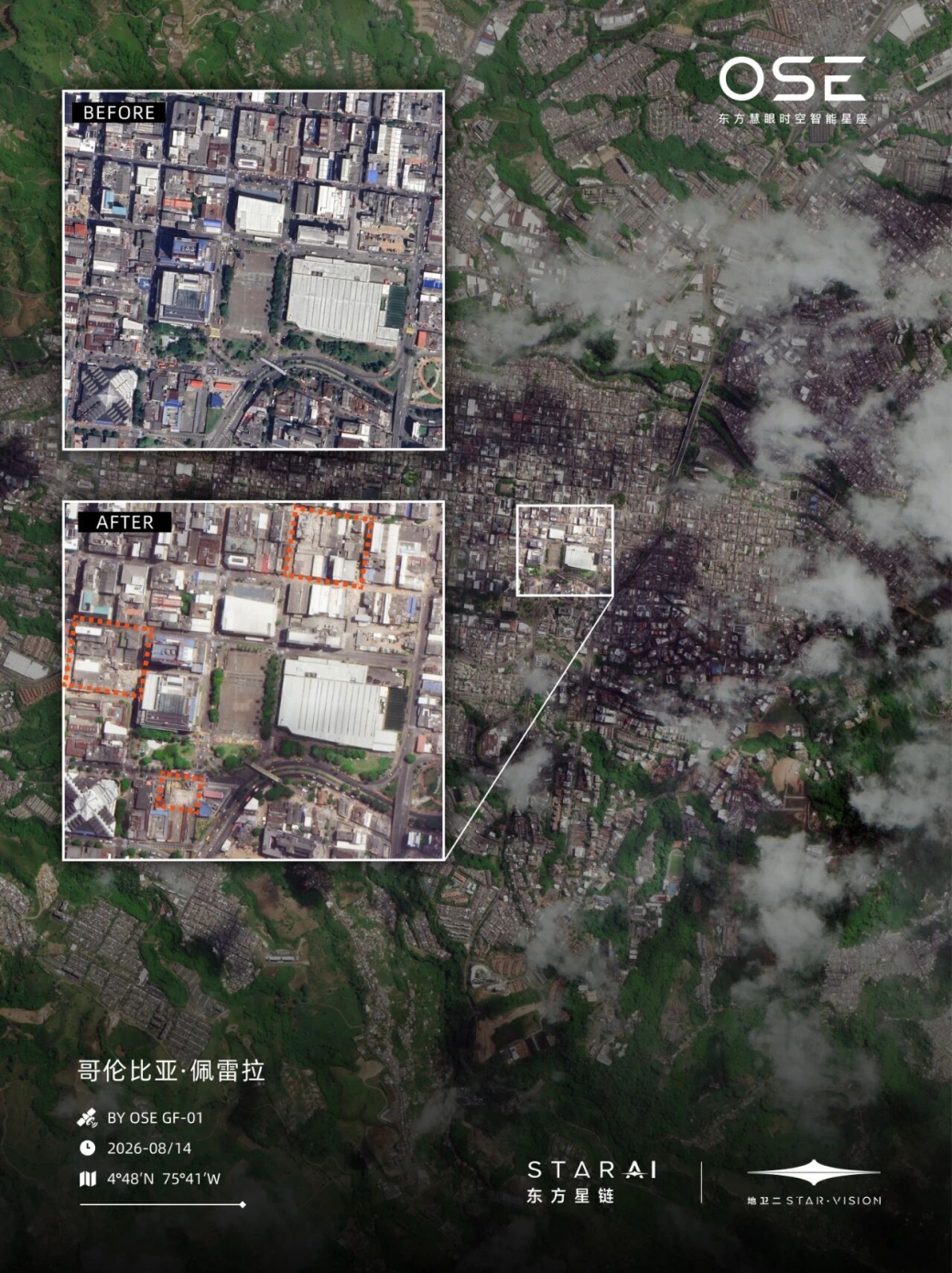 China GEO Mobilizes Satellite Support for Columbia Earthquake Response
A magnitude-7.5 earthquake struck western Colombia on Aug. 10, 2026, causing widespread damage across 32 cities. According to figures released by local authorities on Aug. 15, the death toll had risen to 294, with 3,935 people injured.
18 Aug 2026 -
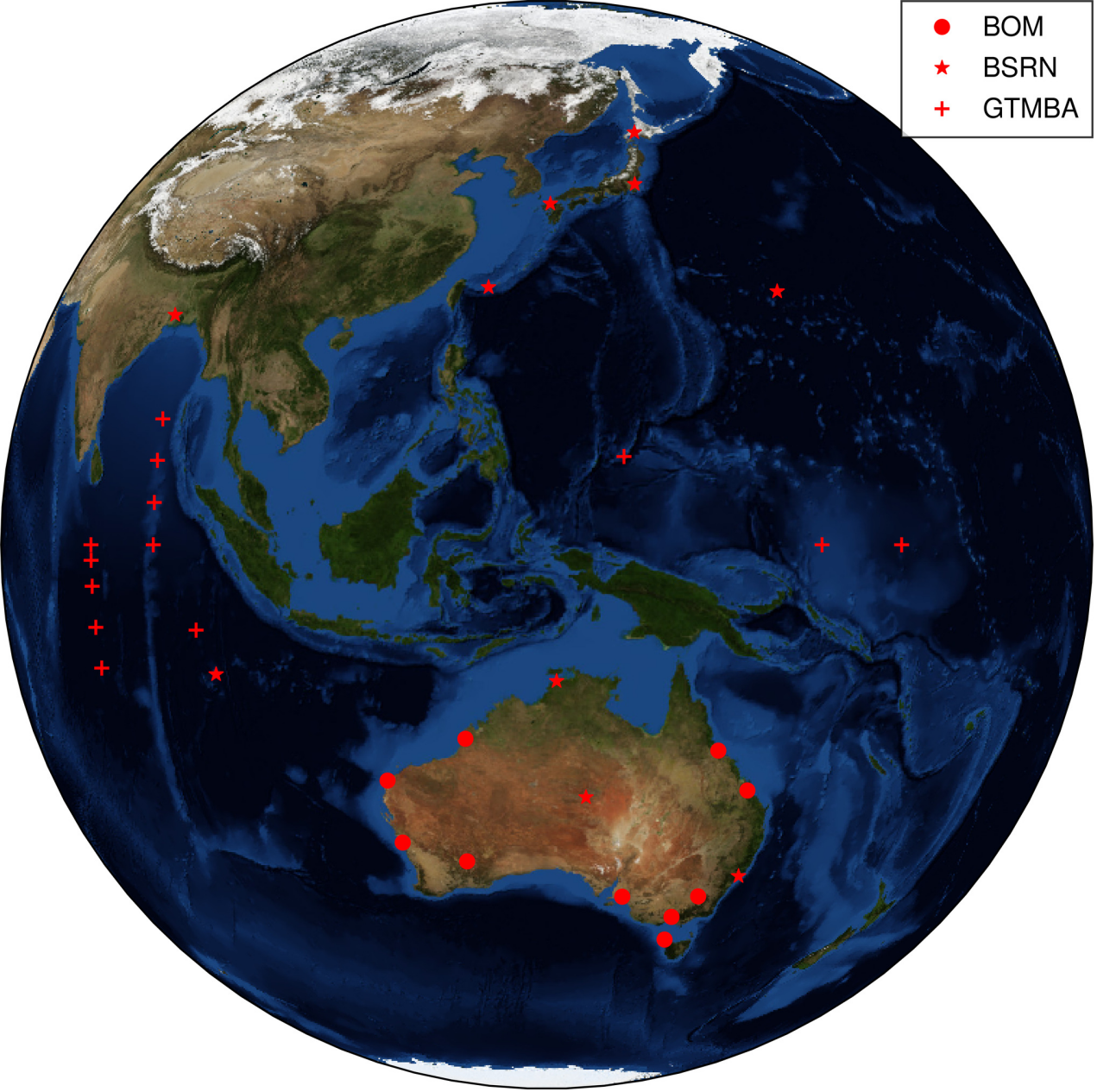 AI Sharpens Solar Radiation Mapping from Space
Researchers from the Aerospace Information Research Institute, Chinese Academy of Sciences; Sichuan University of Science and Engineering; and the Institute of Atmospheric Physics, Chinese Academy of Sciences, reported the study in the Journal of Remote Sensing on April 29, 2026. The article presents a new satellite-based method for retrieving global, direct, and diffuse solar radiation from FY-4A. The work targets a key operational problem: how to deliver accurate sunlight estimates at high spatiotemporal resolution without relying heavily on dense ground observations or auxiliary atmospheric datasets.
29 Jul 2026 -
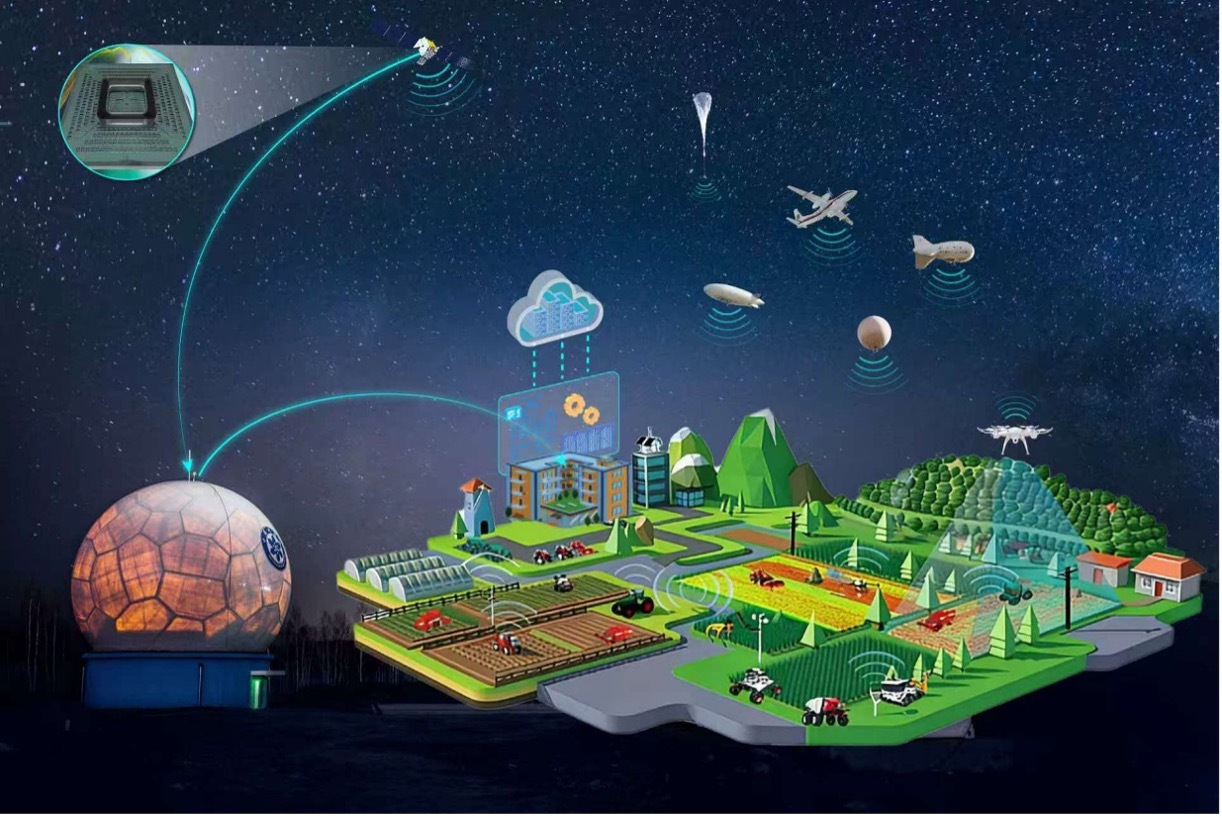 Ten Frontiers Chart Intelligent Remote Sensing's Global Future
Researchers from 16 Chinese institutions, including the Aerospace Information Research Institute of the Chinese Academy of Sciences (AIRCAS), Beijing Normal University, Peking University, Sun Yat-sen University, and Tsinghua University, published the editorial in the Journal of Remote Sensing. The article addresses the limitations of fragmented, static, and largely offline observation systems by defining scientific and technical priorities for real-time, cross-platform, and intelligent remote sensing services in climate monitoring, ecological assessment, emergency management, and planetary exploration worldwide today.
29 Jul 2026

