



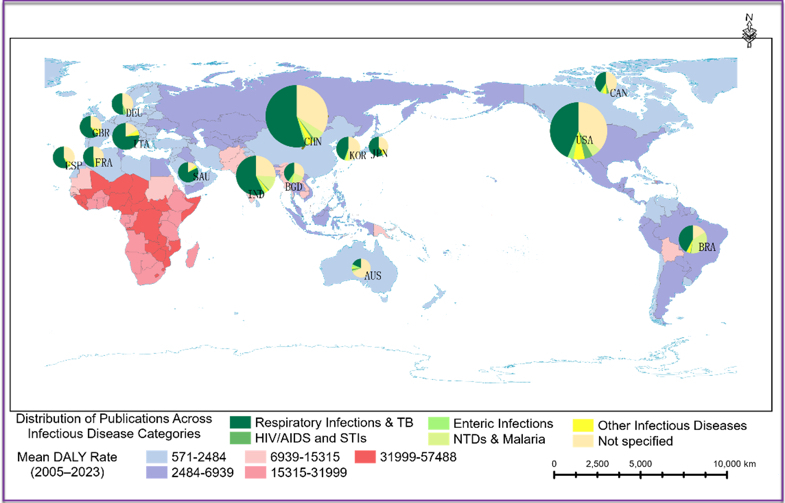
Artificial intelligence is becoming an important tool in infectious disease research, but research attention does not always match the needs of the regions hardest hit. A study by researchers from the Aerospace Information Research Institute of the Chinese Academy of Sciences (AIRCAS), in collaboration with the Chinese Center for Disease Control and Prevention, has found a persistent mismatch between the geographic distribution of the research attention and the burden of infectious diseases. Published in npj Digital Medicine, the study traces how the field has evolved over three decades.

A 10 m resolution maize yield dataset covering Northeast China from 2019 to 2024 has recently been released, providing detailed information on maize yield at the field scale. The dataset was developed by a research team led by Prof. LI Qiangzi and associate researcher DU Xin from the Aerospace Information Research Institute of the Chinese Academy of Sciences (AIRCAS) and is described in a recent study published in Earth System Science Data and the dataset is openly available through Zenodo.
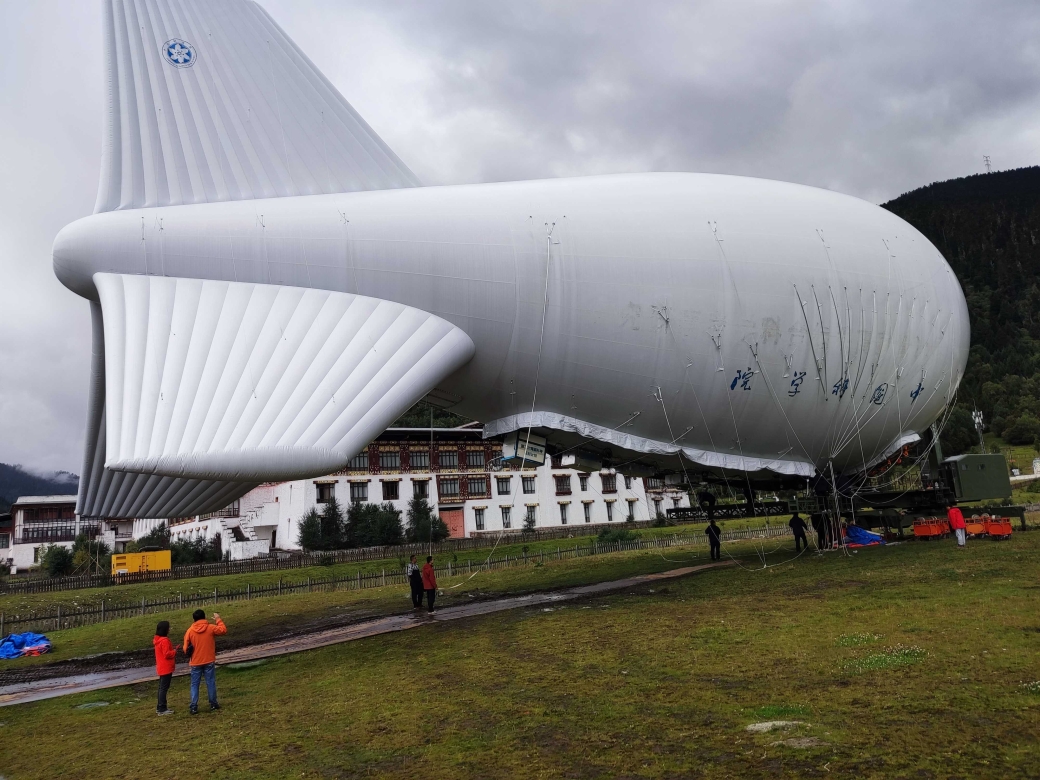
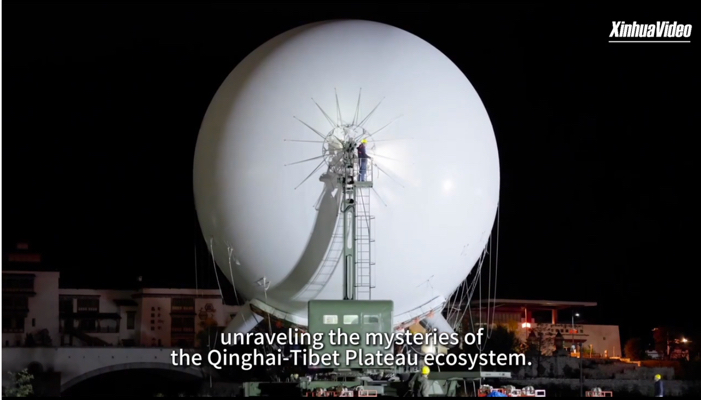
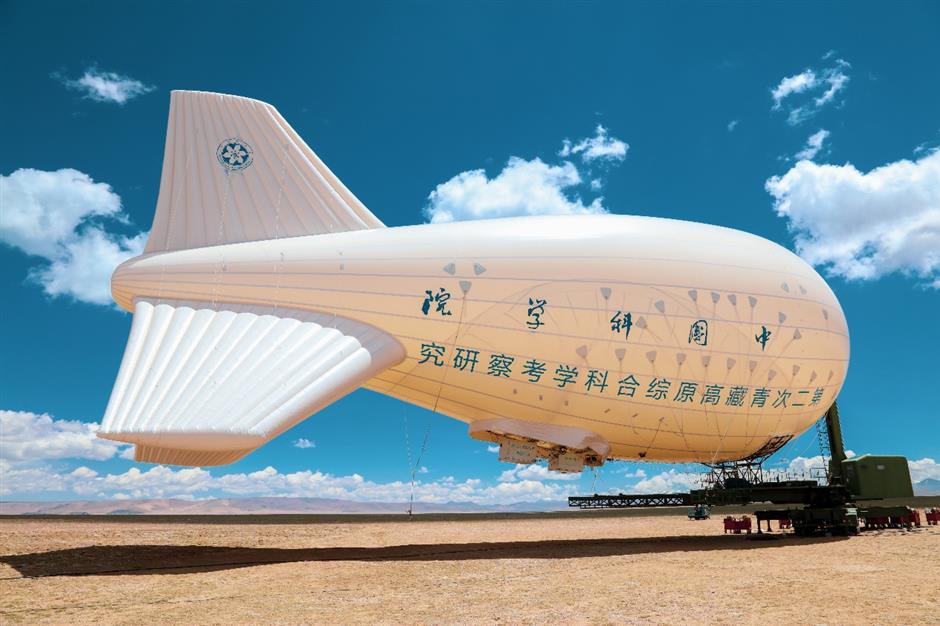
Scientists have used a tethered balloon to measure cloud droplets, aerosols, and electric fields over the Qinghai-Xizang Plateau, revealing links between aerosol abundance and droplet properties and documenting weak electrical activity in clouds without lightning. The study was published in Advances in Atmospheric Sciences .


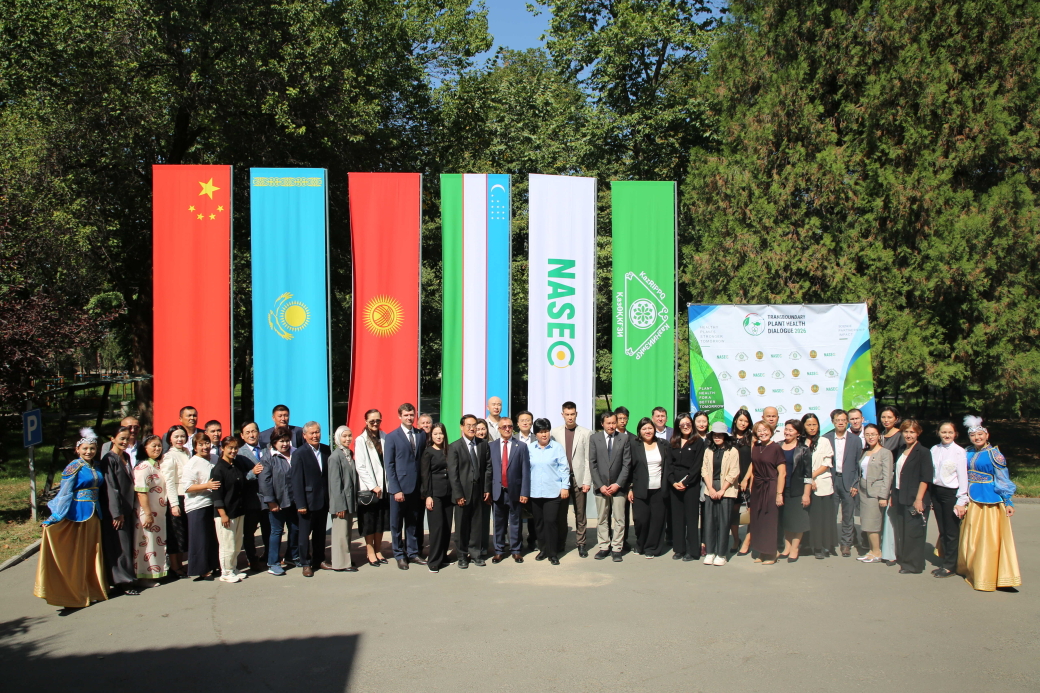

- 02 Sep 2026 PIFI Seminar: Preparedness and Planning for the Mountain Hazard and Risk Chain in Nepal B714, Aerospace-B Sept.2, 2026
- 02 Sep 2026 PIFI Seminar: Remote Sensing-Based Evaluation of Rice Crop Responses to Drought Stress in the Coastal Region of Bangladesh Delta B714, Aerospace-B Sept. 2, 2026
- 17 Aug 2026 FIRST ANNOUNCEMENT and CALL FOR SESSIONS and ABSTRACTS for DBAR2026 and ISEO2026 August 17–21, 2026 Cholpon-Ata, Issyk-Kul Region, Kyrgyz Republic








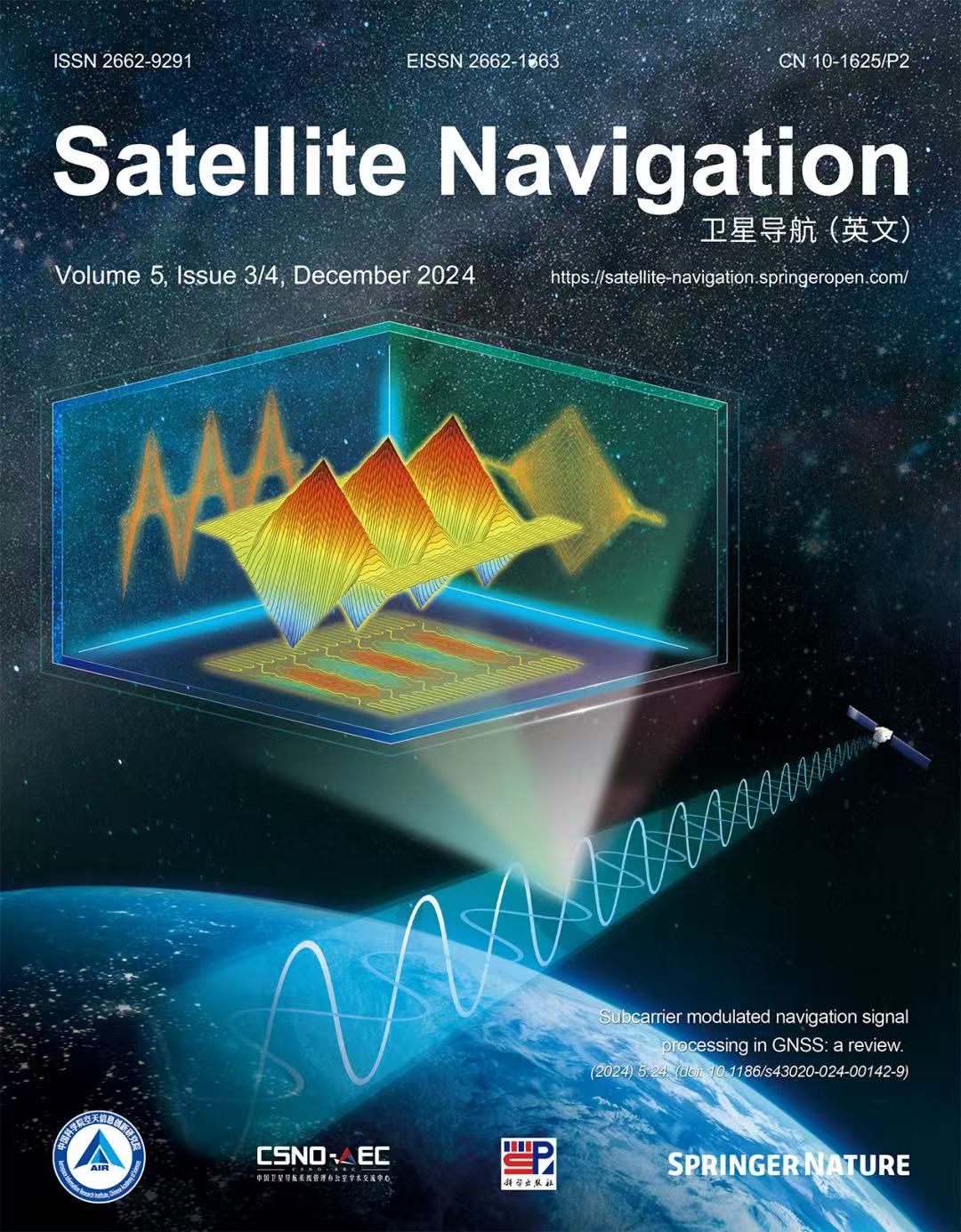
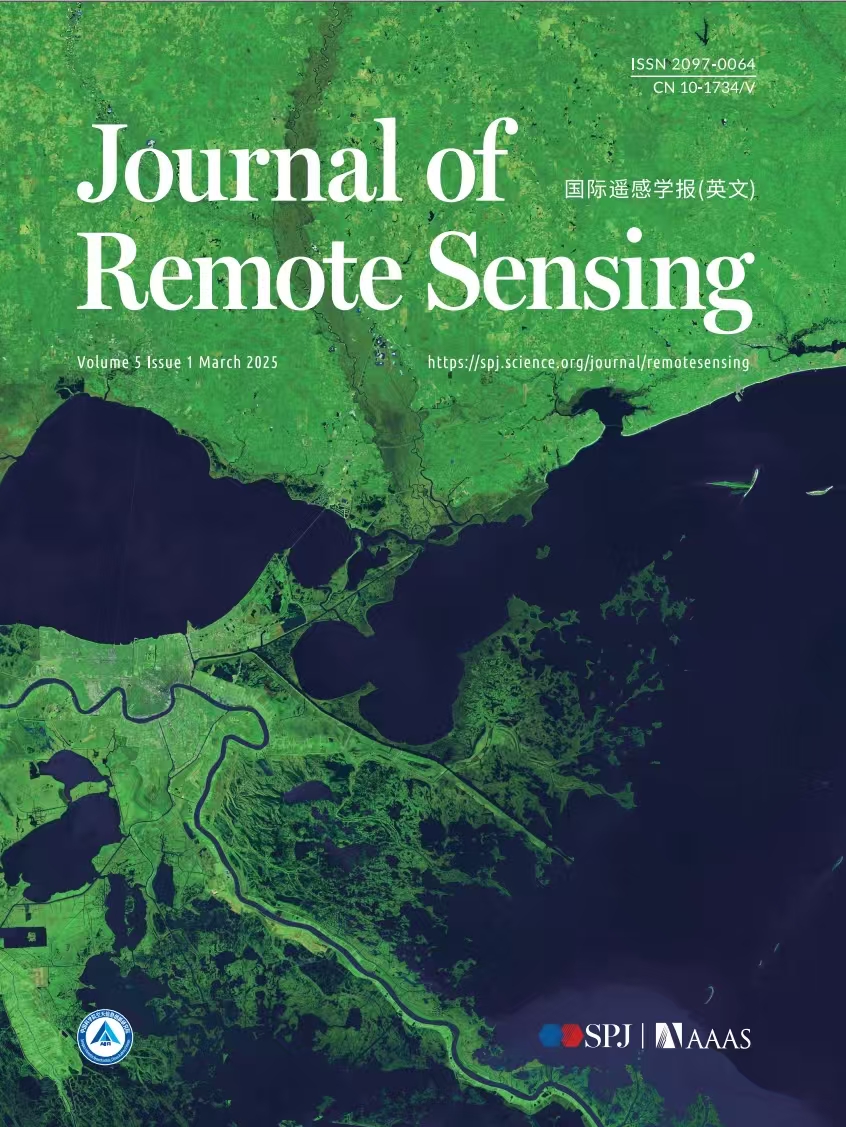

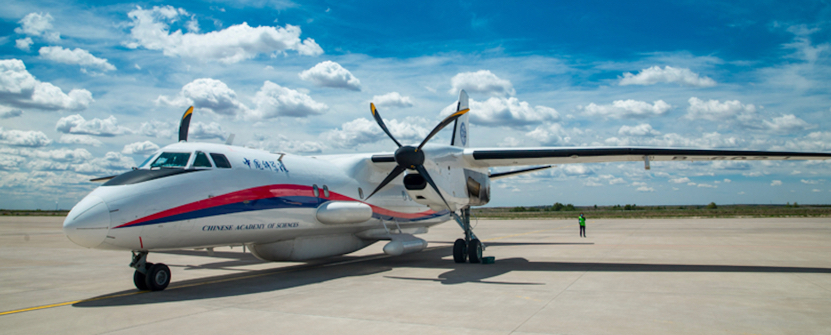
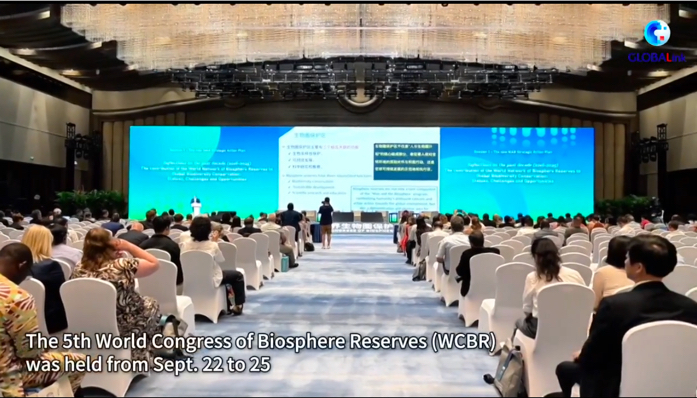




- Profile
- Leadership
- People
- Campuses
- Visiting AIRCAS
- Contact Us
About AIRCAS
- Research News
- Big Science Infrastructure
Research
- Overview
- CAS Members
People
- Focus on
- Research News
- News Updates
- Events
Newsroom
- ChinaGEO
- CASEarth Data
Data Services
- Publications
- Multimedia


